Death Doula FAQs
1. Are death doulas required to be certified?
No. There is currently no universal licensing or certification requirement to work as a death doula in the United States. Training and certification programs are available through a variety of organizations, but they are not mandatory, and there is no single governing body that oversees the profession.
Many doulas choose to complete training to build their knowledge and skills. When exploring your options, ask about a doula's education, training, experience, and areas of specialization. Just as importantly, find someone whose approach and personality feel like a good fit for you.
2. How do death doulas price their services?
Most death doulas work independently, which means they set their own rates and determine how they structure their services. Pricing can vary depending on experience, location, services offered, and the amount of time and support involved.
In the San Diego area, many death doulas charge around $75 per hour (2026), although rates can be higher or lower. Some offer packages, flat fees, pro-bono or sliding-scale pricing based on individual circumstances.
Keep in mind that an hourly rate covers more than the time a doula spends with you in person. It may also account for travel, preparation, coordination, insurance, materials, and the behind-the-scenes work that goes into providing thoughtful, individualized support. When speaking with a doula, ask about their rates, what's included, minimum time commitments, and any additional expenses. It's perfectly okay to discuss your budget and ask whether flexible pricing is available.
3. How is a death doula different from hospice care?
Hospice and death doulas both support individuals and families at the end of life, but their roles are different—and they can work beautifully together.
Hospice provides medical care. Hospice is a healthcare service for people who meet eligibility requirements and are approaching the end of life. A hospice team may include nurses, physicians, social workers, chaplains, home health aides, and volunteers. Their focus is on comfort, symptom management, medical needs, and quality of life rather than curative treatment.
One common misconception is that hospice provides around-the-clock care. In reality, routine hospice care generally involves scheduled visits from different members of the care team. The frequency and length of visits depend on the patient's needs and the hospice provider's care plan. Continuous bedside care is available in certain circumstances when symptoms require intensive management, but it is not the standard level of hospice care.
Death doulas provide non-medical support. Doulas offer practical, emotional, educational, and sometimes spiritual guidance to help individuals and families navigate the dying process. Depending on their experience and services, they may help with advance planning, meaningful conversations, vigil coordination, legacy projects, caregiver support, after-death care, and home funerals. Because their role is different from hospice, doulas may be able to offer additional time, personalized attention, and support tailored to the individual and family's needs.
Hospice services are covered by Medicare for eligible patients who meet its requirements, as well as through other insurance and payment arrangements. Hospice teams work within a defined model of care focused on medical needs, comfort, and quality of life. Families may also want additional non-medical support, companionship, planning assistance, or help creating meaningful experiences along the way. This is where death doulas can complement hospice care and help fill some of the gaps.
Death doulas are not a replacement for hospice or medical care. They are allies and collaborators, offering another layer of support to individuals, families, and the professionals already involved in their care.
Think of it this way: hospice brings the medical expertise, while a death doula can bring additional time, guidance, and attention to the personal experience of dying. Together, they can help create a more connected approach to end-of-life care.
3. What does a death doula actually do?
Death doulas are becoming an increasingly important part of the changing landscape of death care. As the Baby Boomer generation ages, the number of people dying each day is expected to rise significantly, placing additional demands on an already stretched network of medical, hospice, and funeral professionals. At the same time, many families are rediscovering more personal, hands-on, and time-honored ways of caring for someone who is dying or has died.
Some people are drawn to these approaches because they want more choice, connection, and involvement in the experience. Others may find that additional support becomes increasingly important as healthcare and funeral professionals continue navigating demanding workloads and staffing pressures.
We're also seeing renewed interest in home funerals. Home funerals are legal in all 50 states, although laws and requirements vary. Rather than immediately transferring someone into the care of a funeral home, families may choose to spend time with their person at home, participate in after-death care, and create a more personal farewell. For some, this is about honoring traditions and being more hands-on; for others, it can be a more affordable alternative to a traditional funeral service at a funeral home or chapel. An experienced death doula or home funeral guide can help families understand what's involved and explore what's possible.
So, what does a death doula actually do? The short answer is: quite a lot! Death doulas provide non-medical guidance, education, practical assistance, and emotional support throughout the end-of-life journey. Their work can begin long before someone is dying and continue through the funeral and beyond.
Depending on their training, experience, and areas of specialization, a death doula may offer support with:
Planning Ahead & Education
Advance care planning and Advance Care Directives
End-of-life wishes and personal care preferences
Funeral and disposition planning
Exploring green burial and alternative funeral options
Understanding hospice, palliative care, MAiD, and VSED
Legacy projects, life reviews, and storytelling
Preparing family members for what to expect
During the Dying Process
Companionship and bedside presence
Emotional and spiritual support
Caregiver and family guidance
Navigating end-of-life options and resources
Coordinating with hospice and other care providers
Creating meaningful moments and opportunities for connection
Vigil planning and coordination
Personalized rituals and ceremonies
Support for children and families
Support for people choosing MAiD or VSED
Support for individuals exploring plant medicine
After Death
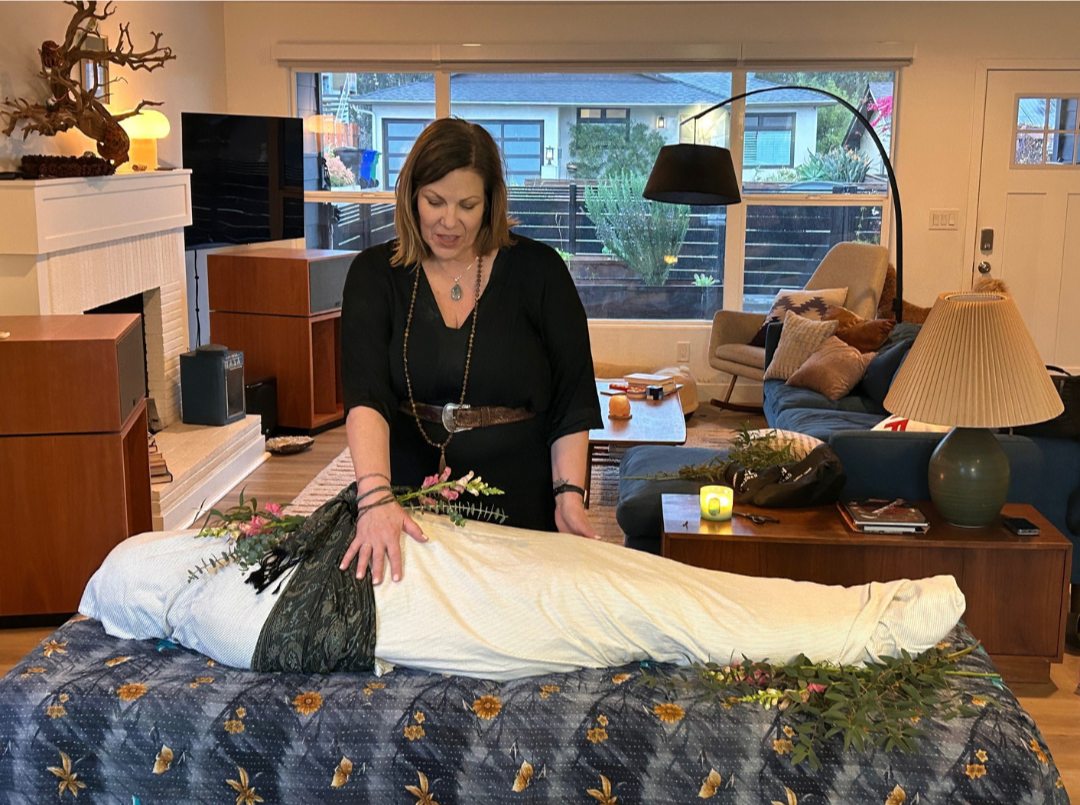
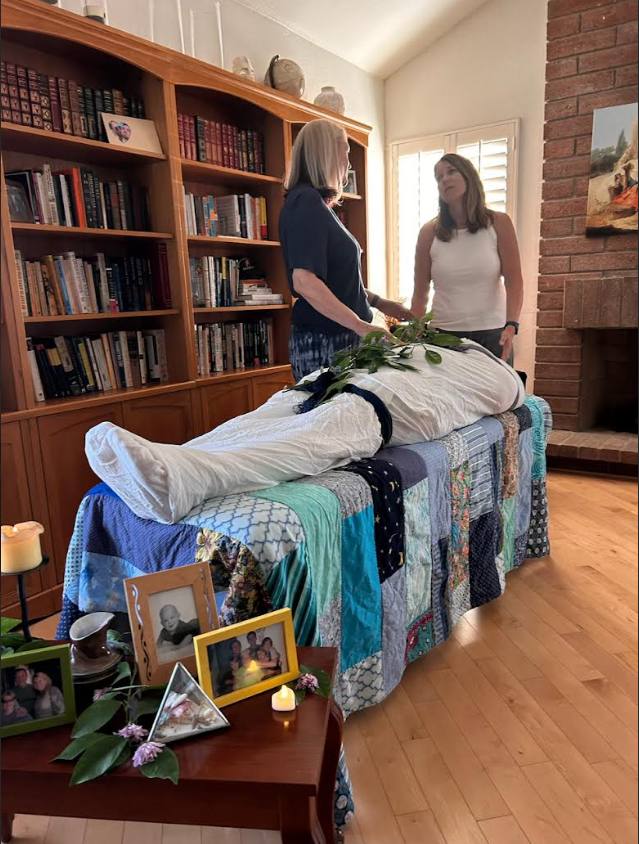
Honoring the Pause and time with the person who has died
Gentle washing, dressing, and shrouding
After-death body care guidance
Home funeral planning and family-led care
Funeral coordination and provider connections
Green burial and alternative disposition planning
Personalized memorials, ceremonies, and celebrations of life
Legacy projects and remembrance activities
Guidance for family members navigating next steps
Specialized Support
LGBTQIA+ affirming end-of-life care
Pediatric end-of-life and family support
Pet death and companion animal loss
Grief support and referrals to grief professionals
Cultural, spiritual, and faith-based practices
Support for families choosing less traditional approaches to death care
Do all death doulas offer all of these services?
Not at all! This is one of the most important things to understand when looking for a death doula. Every doula brings their own background, training, experience, and interests to the work.
A doula who specializes in legacy planning and storytelling may not be particularly interested in after-death body care. Someone experienced in home funerals may have little interest in advance care planning. And a doula who supports MAiD or VSED may have specialized experience that isn't shared by every other doula.
That's why finding the right fit matters. Start with what you need, explore individual profiles, ask questions, and have a conversation before making a decision. You may discover that one doula is a great fit, or that building a small team of people with different skills makes more sense.
There is no one-size-fits-all approach to death care. And there shouldn't be.