Alternative Burial Options
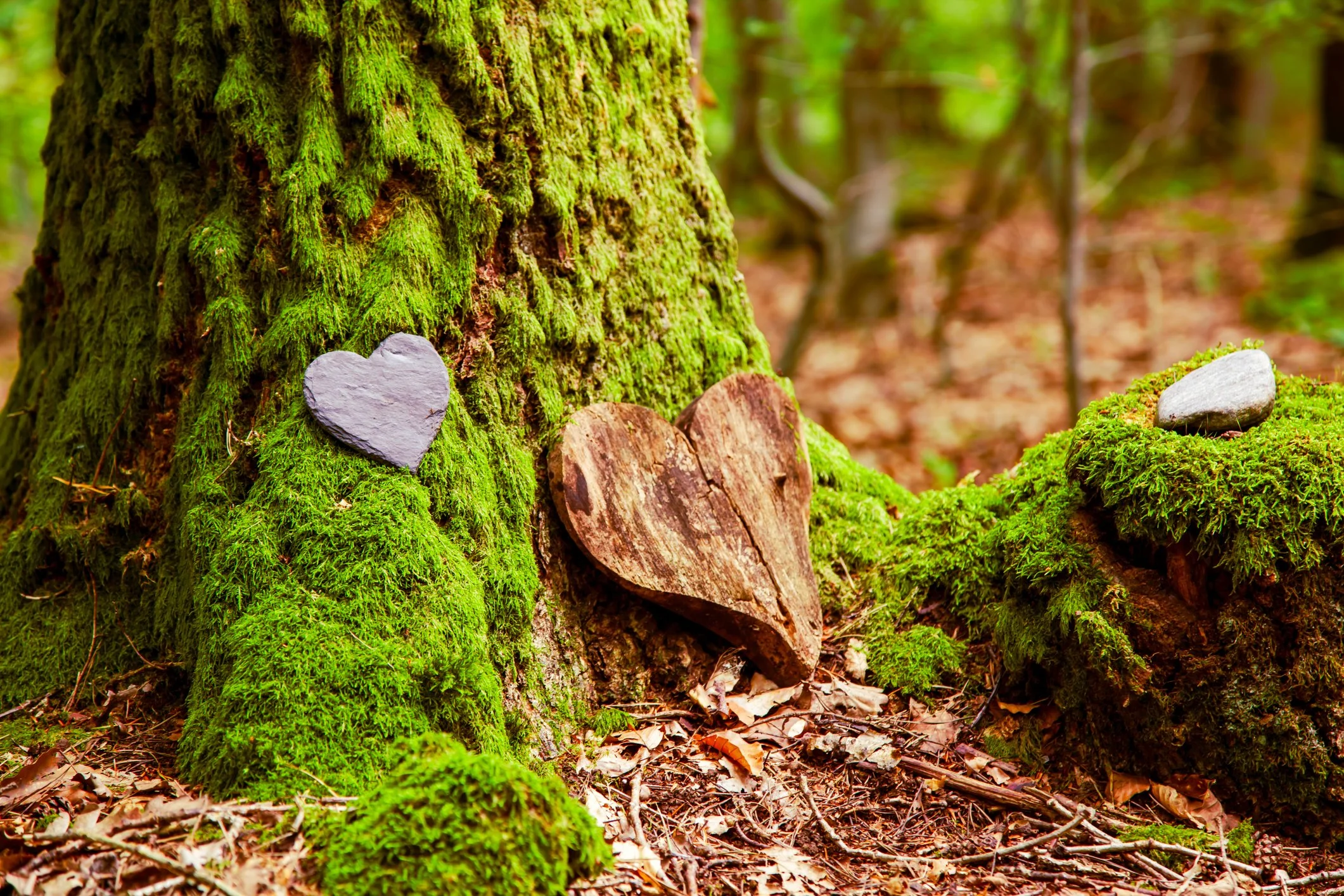
Death and subsequent burial makes a big impact. With over 225,000 cemeteries spread across the US alone, taking up around 140,000 acres, the effect modern and conventional burial practices have on their surrounding environment and ecosystems can’t be ignored.
As a practice, we humans began to inter our dead long before we even started to write down our histories. To do so seems inextricably linked to the experience of being human.
The desire to memorialize friends, family, pets, and other loved ones after their passing is an inclination shared with our first human ancestors; the earliest known evidence of a burial site was recently discovered in a South African cave, and dates to around 200,000 years ago.
Respect for the dead, hope for an afterlife, and a desire to honor a life lived and lost has led to the development of a multitude of burial practices across different cultures, traditions and societies. Certainly the most familiar way to inter the dead, embalming and laying remains to rest in a casket and vault as a method seeks to disrupt, delay, or circumvent the decomposition process and comes with a non-negligible price tag in the form of carbon and environmental footprint. As a conscious response to ecological concerns surrounding traditional burial techniques, green burials offer alternatives ranging in method and technological advancement to bring the process of death back to its more natural forms that once folded into the wild and organic cycles of life.
Environmental Costs of Conventional Burial Techniques
While the natural course of death involves a body’s basic elements recycling into nature, conventional burial techniques hope to preserve remains for as long as possible, and doing so requires a large amount of real estate dedicated to a single purpose. Though the logic and reasoning behind decisions that led to our current cemetery practices are understandable, our current awareness of land-use as one aspect of harmful environmental impact calls for a reshaping of our definition of what a cemetery, or a place of interment, could be.
With green burial practices’ goal of returning to a more natural death process, allowing bodies to decompose completely means the land in which we commit our dead to the earth — “earth to earth, dust to dust, ashes to ashes,” to reference a few popular ruminations on death —can take on new purposes, much like human remains when decomposed, in the circle of life. Green burial proponents envision a future where cemeteries could be used as green spaces like wildlife preserves or public parks, effectively mitigating the carbon footprint made by single-use land.
Conventional burial practices also tend to involve the use of chemicals that are toxic to the environment and to the workers who handle them. Formaldehyde is a principal preservative used in the embalming process, which kills beneficial decomposer microbes in the body, thereby keeping tissues from breaking down. While it does render decomposition inert for a long period of time, formaldehyde does eventually break down and seep into the surrounding soil, killing other beneficial microbes, poisoning nearby plants, and the animals that consume them. Eliminating embalming chemicals, or at least non-biodegradable ones, from our burial processes creates an environment where even in death our loved ones can have a positive, life-affirming effect on the world.
Another facet of conventional burials which contributes hazardous chemicals to the surrounding soil are casket and coffin materials designed as a barrier to a body touching dirt, and to survive their own eventual rot. Some of the most popular coffin and vault materials today are non-biodegradable, like concrete, copper, or strengthened steel, which won’t break down in dirt and come with their own carbon emissions involved in their manufacture. Oftentimes more luxurious coffin or casket options use exotic or endangered species of wood, and are treated with chemicals for greater resistance to the natural process of breaking down.
When interring a body under green or natural practices, corpses are usually covered only with biodegradable materials, like natural fiber boards or non-synthetic fabric shrouds, and buried in such ways as to encourage helpful decomposition. Minimalist and eco-friendly burials using sustainable materials such as bamboo, cane, or wicker means no harmful chemicals being leached into the soil, and a reduced or mitigated carbon footprint. With an expanse of land untainted by toxic chemicals, another possible green burial result is the use of natural cemeteries as sites for permaculture or sustainable agriculture.

How Far Off is a Green Burial Future?
Many green and natural cemeteries already exist and operate with conservationist and preservation philosophies. With a dual mission of care for the dead and ecological restoration, green cemeteries often use burial fees for restoring natural habitats or efforts protecting endangered and displaced animal species.
In some cases, green cemeteries eschew the use of heavy machinery or equipment to dig graves. Besides lessenging the use of fossil fuels and their emissions, this could offer an opportunity for surviving loved ones to have a hand in the burial process, which could prove beneficial for the grieving process by creating an active way to say goodbye. In this way, green and natural burials could be seen as a holistic process that seeks to create the most amount of good out of the tragedy of a person’s death.
The Green Burial Council defines three main types of natural burial cemeteries. Hybrid burial grounds forbids any form of embalming, prohibits toxic or non-biodegradable chemicals, and mandates advertising for natural burials alongside more conventional practices. Natural burial grounds also require site planning and land surveys to make the least impact, staking out areas for preservation, and often requires a local government deed restriction to make sure the land remains natural for years to come. Lastly, conservation burial grounds require two to four hectares of land and an official draft of a conservation easement. All of these types of cemeteries have the knowledge and expertise to help educate families about green and natural burials, and how they are beneficial.
One concern with the idea of cemeteries being used for other things besides just cemeteries is one of memorialization. However, natural burial ideals don’t conflict with the idea of a grave marker. For many green cemeteries, such as those that double as nature preserves, memorialization takes the form of GPS coordinates, flat wooden plaques, names written or etched into natural rock, or living memorials made of trees, flowers, or local flora planted on the grave. Natural memorial practices lessen the environmental impact of burial with a focus on minimalism and integrating graves into existing nature.
Types of Green Burials
Within the ethos of natural and green burial practices, there are many options to achieve less of an environmental impact and in some cases leave the place better than you found it. These alternative burials all intend to work with the body’s natural decomposition process, rather than fight against it.

Choose wisely….
As a fossil fuel driven process, cremation produces significant amounts of carbon dioxide.
One cremation is estimated to produce 535 lbs of CO2. This is the equivalent of a 609 mile car journey in an average sized car.
-
Forego the common practices that have been integrated into our culture over the last 75 years and opt for natural internment with an earth-friendly vessel. Not only is a natural burial more friendly to your body, but to our earth as well. Natural disposition can impact our eco-system in a positive way and alter the course of our current climate crisis.
-
Hybrid burials take modern conventional burial practices and add natural considerations, such as not using vaults or mausoleums in favor of biodegradable materials, or creating holes in caskets that allow remains to decompose and return to the soil. These options can serve to create a more bespoke burial process.
-
Also known as water cremation, biocremation, resomation, flameless cremation, and alkaline hydrolysis, aquamation is an alternative to regular cremation that uses a fraction of the energy and carbon emissions. Human remains are placed in a vessel filled with a mixture of water and lye (potassium hydroxide) which is then pressurized and heated over the course of a few hours to reduce the body down to its chemical components. After the process, soft, white, bone dust remains and is given to the next of kin for memorialization, just like in traditional cremation. The resulting liquid mix is then often used in gardening or the maintenance of green spaces. Aquamation has become very popular for the disposal of pet and animal remains.
-
Human composting seeks to mimic the natural decomposition process as a way to make natural burial and interment the least harmfully impactful as possible. As leaves and other organic matter detritus litter forest floors, they decompose into topsoil, setting the stage for new growth. Human composting employs beneficial microbes found naturally and in the human body to convert remains into healthy, fertile soil. This soil can then be used in gardening or permaculture efforts, a fitting tribute to green thumbs or the ecologically minded. No truer way to become “worm food” on purpose.
-
Tree pods see corpses stored in egg-shaped pods made of biodegradable and compostable materials planted in the ground near or under the roots of a tree. As time passes, the decaying remains feed nutrients to the tree, sustaining life and in many cases breaking down the body faster and more completely than other natural burial practices. Tree pod burials can be carried out with an existing tree or a sapling, though some concerns about keeping a sapling alive may make using an existing, already-grown tree seem a more effective or attractive option. One idea behind tree pod burials illustrates whole forests and parks grown from graves for public use. This could allow for a rebirth of the Victorian-era activity of strolling through or picnicking in cemeteries, offering a way to commune with the dead while surrounded by vibrant life.
-
Often used on long voyages across the water where someone has passed before the end of the journey, sea burials are a practical choice when there are no safe or healthy ways to store a remains until landfall. Burials at sea are usually carried out in a way beneficial to the environment, where remains are only covered in a shroud with no embalming whatsoever, so a body may be consumed by sea life to strengthen the ecosystem. Sea burials may also be carried out at will, with organizations like the EPA, Coast Guard, or local naval civil authority dictating guidelines to follow.
-
In parts of the world like Tibet or Mongolia, many Buddhist traditions engage in the practice of sky burials. This is where remains of the dead are laid out in the wilderness to be fed upon by mountain vultures. This is considered a good karmic act in some Buddhist beliefs, and is thought to lessen the possible spread of human-borne pathogens, as well as feeding a species in danger of withering population from a destruction of their ecosystem.
-
Coral reef burials involve entombing the ash cremains of a dead person into concrete balls that are installed into coral reefs, which then serve as an anchor for more coral growth. This helps sustain the micro-environment of dwindling coral reefs, and becomes part of the ecosystem and a habitat for a multitude of marine life. Coral reef burials might be an excellent final resting place for individuals who love ocean life, or those who made efforts during their life to protect the place from which all life started from the harmful effects of different industries.
Green Burial Revolution
With the many options available for green burials, and the modern awareness of how even the funeral industry leaves a large carbon footprint and environmental upset, natural burial practices have sparked a thought revolution around how we inter and remember our dead. Each natural burial at each green cemetery seeks to treat the death of loved ones with the highest honor, and return to the process of recycling matter and energy back into nature’s life cycles that was perfected long before the first human set foot on the Earth. Green and natural burial practices leave a legacy of consideration, conservation, and thoughtfulness for future generations on the Earth, which is a fitting memorial to all the goodness and light created by our loved ones throughout the course of their lives. Perhaps with the more widespread use of green and natural burials, everyone in the world, when their time comes, can actually rest in peace, and regardless of belief, receive an afterlife of rebirth within the fabric of our planet.