Conservation Cemeteries: Taking Green Burial One Step Further
For most of human history, burial was simple. When someone died, their body was cared for by family or community and returned to the earth - no chemicals, no vaults, no elaborate containers. Death was understood as part of life, not separate from it.
Today, many people are rediscovering this simplicity through green burial, which avoids embalming fluids, metal caskets, and concrete vaults so the body can decompose naturally. But for some, green burial is just the beginning. Conservation cemeteries take these principles one step further by pairing natural burial with permanent land protection.
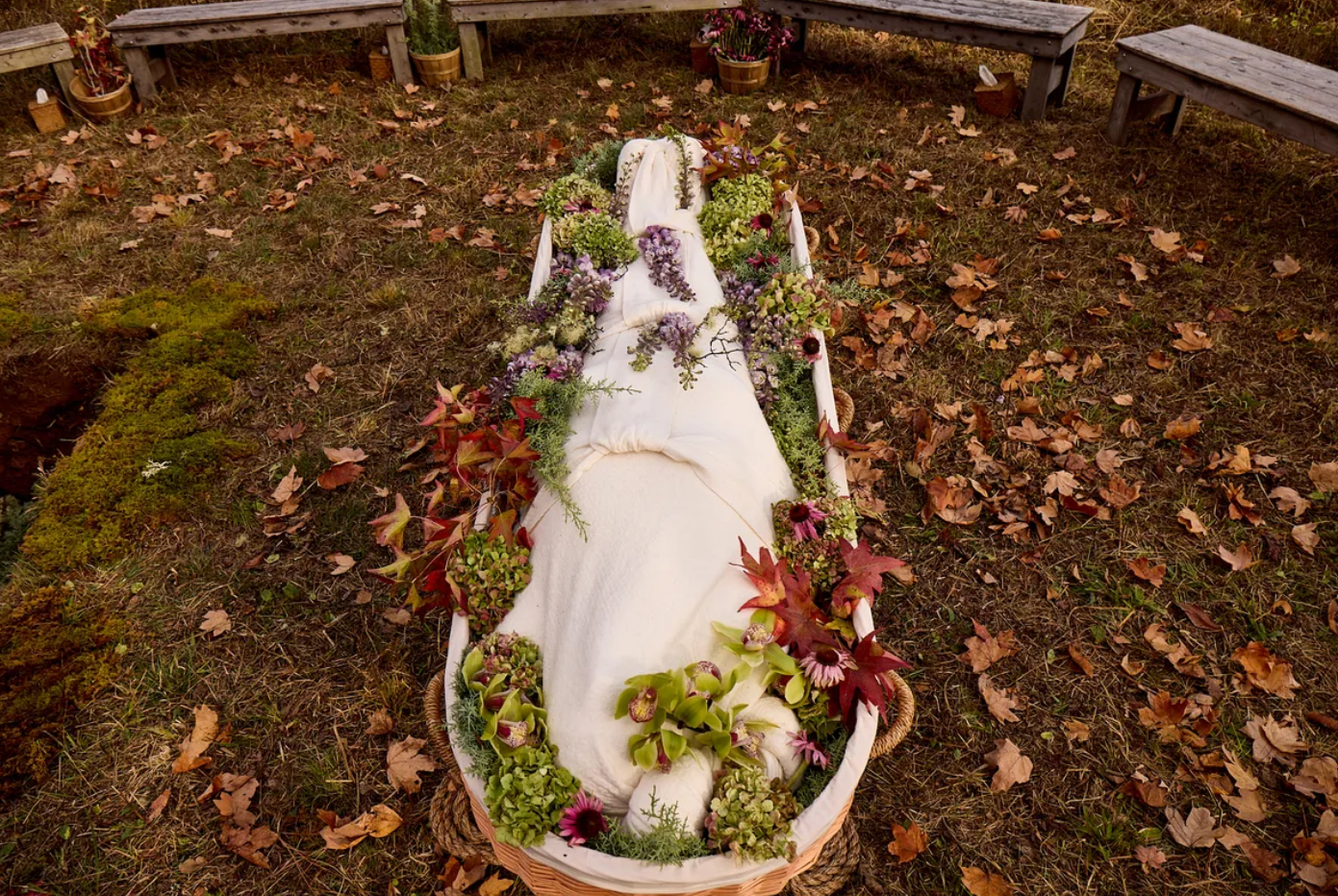
When a body returns to the soil, it feeds microorganisms, supports plant life, and contributes to healthy ecosystems. This is the natural completion of the life cycle.
A Brief History of Burial in the United States
Before the mid-1800s, what we now call green burial was simply the norm. Bodies were washed, dressed or shrouded, and buried close to home. Cemeteries were modest community spaces, often churchyards or family land.
That began to change during the Civil War, when embalming was used to preserve soldiers’ bodies for transport. Over time, embalming became routine, and burial grew increasingly professionalized and industrialized. Funeral homes replaced home care. Cemeteries were reshaped into manicured landscapes.
Concrete vaults, sealed caskets, and chemical preservation became standard.
In the process, we drifted far from what our bodies - and the earth - are designed to do.
The Body Is Designed to Return to the Earth
Decomposition is not a failure of the body; it is its final function. When a body returns to the soil, it feeds microorganisms, supports plant life, and contributes to healthy ecosystems. This is the natural completion of the life cycle.
Many modern practices interrupt this process. Embalming introduces toxic chemicals into the ground.
Caskets and vaults slow or prevent decomposition. Even cremation, often viewed as a greener option, has environmental impacts through fossil fuel use and emissions.
Green burial emerged as a response - allowing the body to decompose naturally and return nutrients to the earth.
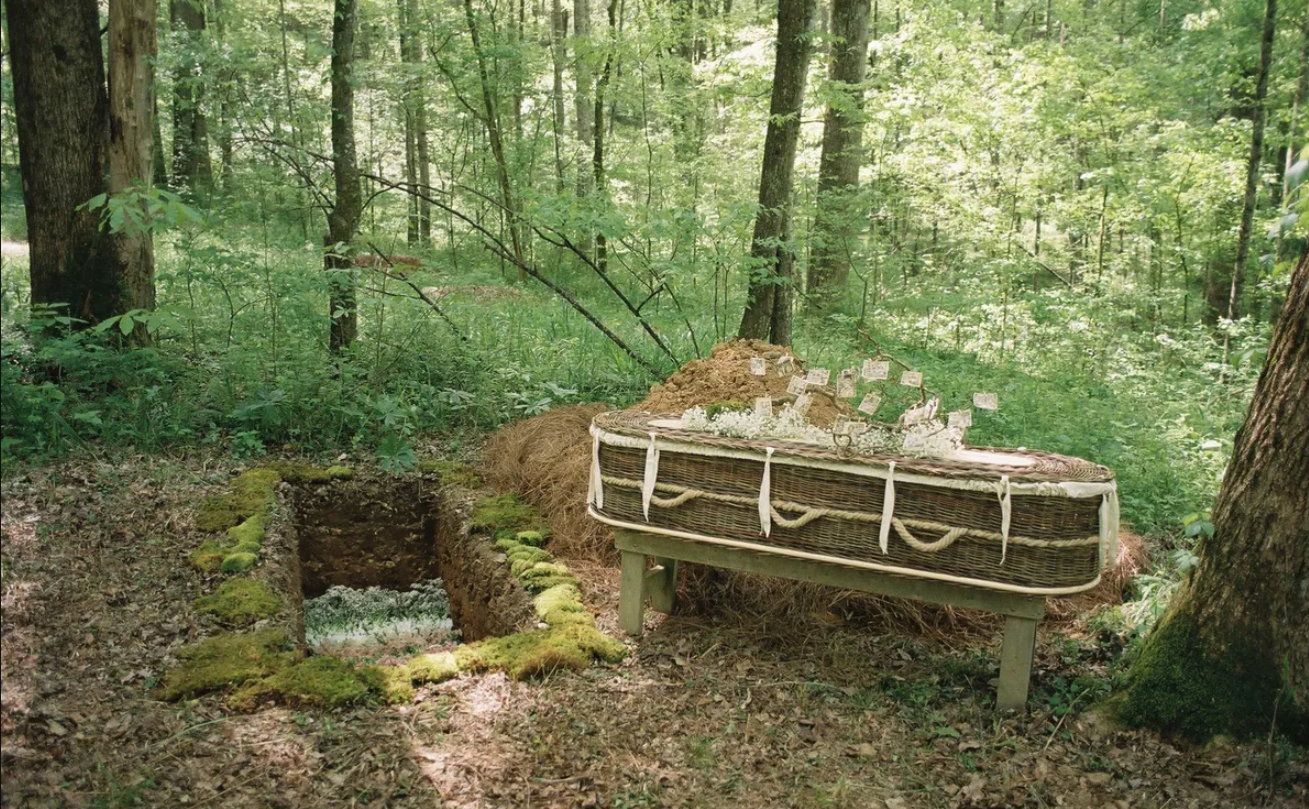
Unlike conventional or even many green cemeteries, conservation cemeteries do not clear land for burial plots. Graves are integrated into the existing landscape, preserving native plants, wildlife habitats, and natural contours of the land.
What Is a Conservation Cemetery?
A conservation cemetery practices green burial within land that is legally protected in perpetuity. This is the key distinction.
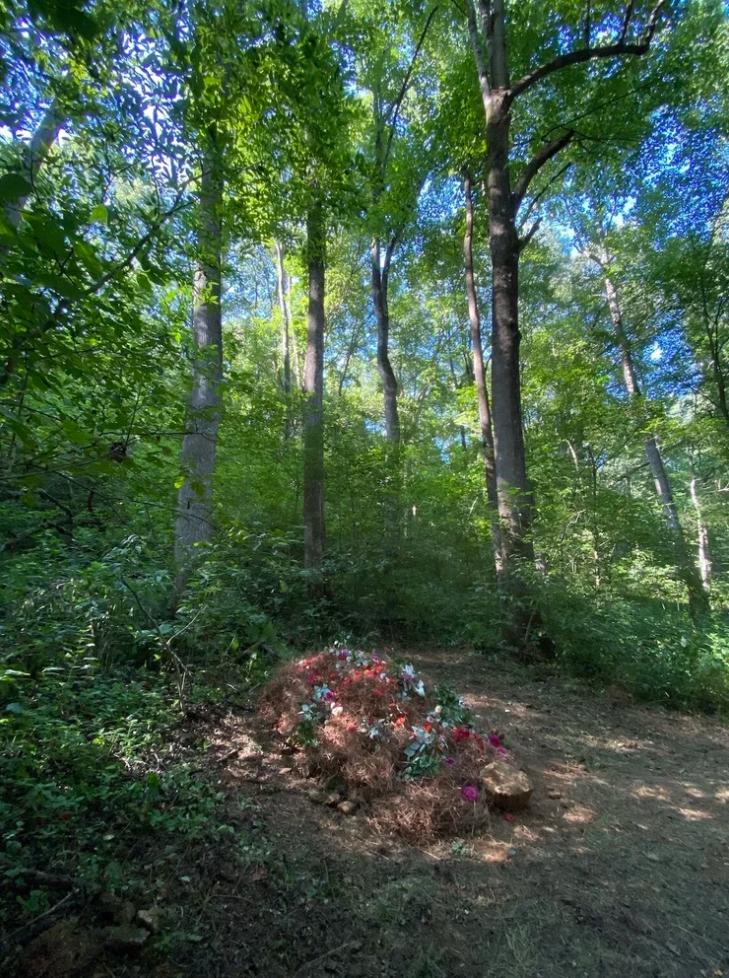
Unlike conventional or even many green cemeteries, conservation cemeteries do not clear land for burial plots. Graves are integrated into the existing landscape, preserving native plants, wildlife habitats, and natural contours of the land. Markers are often minimal or natural - stones, trees, or GPS coordinates - so the land remains largely undisturbed.
Most importantly, conservation cemeteries are protected through conservation easements or similar legal tools, ensuring the land can never be developed. Burial fees often help fund long-term land stewardship and ecological restoration.
In this model, burial becomes an act of environmental care.
Aligning Death with How We Lived
For many people, conservation burial resonates because it reflects the way they lived their lives.
If you grew your own vegetables, kept chickens, composted, reduced waste, or made daily choices with the planet in mind, it makes sense to want those values honored at the end of life. Disposition is not just a logistical decision - it’s a reflection of identity.
Conservation burial treats the body not as waste to be managed, but as part of a living system. It allows death to support soil health, biodiversity, and protected land, long after a single life ends.
A Growing Movement - and an Industry Catching Up
Interest in green burial and conservation cemeteries is growing as people seek transparency, sustainability, and meaningful choice at the end of life. However, many funeral homes still default to conventional options due to training, infrastructure, and industry norms.
Change happens when families ask questions - about embalming, burial options, land use, and
environmental impact. Education and advocacy are essential for expanding access to greener choices.
Looking Ahead
Conservation cemeteries invite us to rethink burial as regenerative rather than extractive. They reconnect death to the natural world and protect land for future generations.
These cemeteries don’t appear overnight. They require community support, legal frameworks, and a willingness to imagine something different. But every meaningful shift begins with awareness - and action.
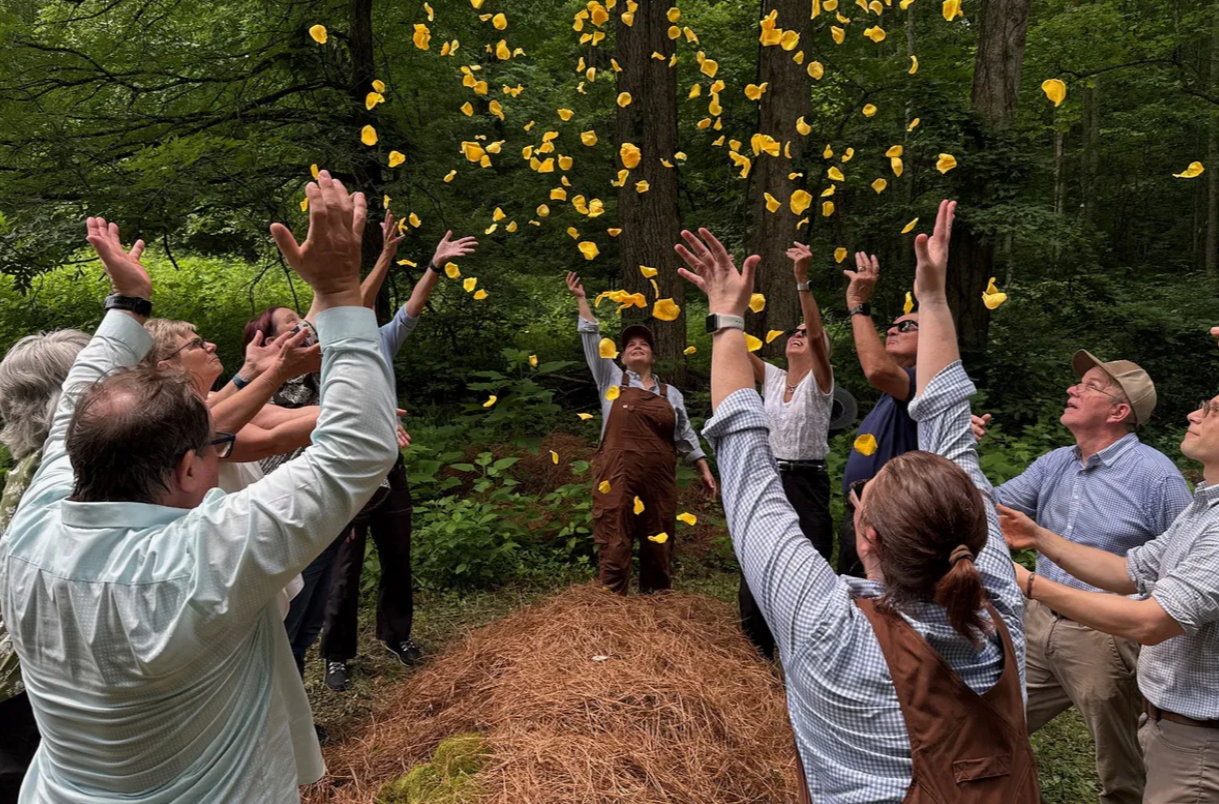
For many people, conservation burial resonates because it reflects the way they lived their lives. Disposition is not just a logistical decision - it’s a reflection of identity.
Help Bring Conservation Burial to California
California does not yet have a conservation cemetery. (There are a handful of green burial cemeteries, but there isn’t a true conservation cemetery!) If you believe in expanding end-of-life options that care for both people and the planet, we invite you to support this effort by signing our petition to bring conservation burial to California.
By adding your voice, you help move this conversation forward - toward informed choice, environmental stewardship, and a more intentional relationship with death.
California Needs a Conservation Cemetery!
Be part of the movement and sign our petition to help open a conservation cemetery in California.
Written by: Penny Waugh